A Call to Preserve Canyon County’s Heritage
The timeless charm of Canyon County’s historic buildings is a beacon of the area’s rich past. Each structure tells a story, an indelible record of the architectural prowess and community values that have been established over generations. Yet, without immediate action, these cultural landmarks risk succumbing to the ravages of time. Roofing rehabilitation stands as a critical defense against this potential loss, serving not just as a maintenance task, but as an act of preservation for our shared heritage. It is a specialized task—a blend of art and science—that demands immediate attention to uphold the essence of our historical landscape.
Understanding the Value of Expert Roofing Rehabilitation
Roofing is more than a mere cap to a building; for historical structures, it is a pivotal feature that protects and underscores their historical significance. Inadequate roofing can lead to extensive damage, both structurally and aesthetically, which can significantly diminish the value of these precious historical resources. Canyon County’s commitment to its historical buildings calls for a well-planned approach to roofing rehabilitation. The right blend of traditional craftsmanship and modern innovation can breathe new life into aging roofs. Therefore, the preservation of these structures is not only an aesthetic imperative but a testament to our respect for the historical fabric that has withstood the test of time.
The Top Priority: Safeguarding Our Architectural Legacy
Canyon County residents hold a shared responsibility to safeguard the architectural legacy that has been entrusted to us. Time-sensitive interventions are the key to halting the slow erosion of history beneath our feet. The roofs of these buildings, often exposed to the harshest elements, necessitate expert care and delicate handling to maintain their original fortitude. Choosing to prioritize roofing rehabilitation is choosing to honor the craftsmanship of our forebears, ensuring that their legacy is not just remembered, but also experienced by future generations. It is a call to action — a call to protect, expertly and urgently, the physical narrative that spans our county’s storied past.
Challenges in Historical Building Restoration
Restoring the roof of a historical building is not without its challenges. The delicate balance between maintaining authenticity and ensuring functionality can be difficult to achieve. Specialized materials that are true to the building’s era may be required, often necessitating customized solutions. Experienced professionals from Smart Roofing & Remodeling are adept at navigating these complexities, blending time-honored techniques with modern-day technology. Engaging the right expertise is not only pragmatic but crucial for the successful rehabilitation of historical roofing structures.
Preserving the Roof, Preserving the Story
The roof of a historical building does more than shelter its inhabitants from the elements; it preserves a narrative. Each tile, shingle, or beam is part of a larger historical tapestry that tells the story of Canyon County’s architectural evolution. In the face of wear and decay, these structures cry out for thoughtful rehabilitation. It’s a meticulous process, one that encompasses both the preservation of look and feel as well as the integration of modern waterproofing and insulation techniques. In doing so, we ensure that these buildings continue to reflect their original glory and stand proudly as markers of our communal history.
Best Practices for Roofing Rehabilitation
When it comes to historical building roofing rehabilitation, best practices must be strictly followed to ensure both the longevity of the structure and the maintenance of its historical accuracy. It requires a thorough inspection by experts, who can assess the needs of the building and plan the most effective approach. Materials chosen must be as close to the originals as possible, sometimes even sourced from specialized suppliers. The goal is to restore the roof to its former state, while seamlessly blending in any necessary modern enhancements for durability. Adherence to these practices not only respects the craftsmanship of the past but also equips the building to face the future with renewed strength.
Final Considerations for Historical Roofing Projects
The final and perhaps most critical stage of any historical roofing rehabilitation is the review and approval from local historical societies and preservation committees. Their endorsement not only validates the project’s adherence to historical accuracy but also can lead to grants and other forms of financial support. Documentation is key here, and maintaining an in-depth record of the rehabilitation process can ease this step considerably. By documenting changes and processes, property owners can establish a clear narrative that aligns with historical expectations. This ballast of proof is essential for any future work or audits, preserving the integrity of the project from start to finish.
The Role of Professional Roofing Experts
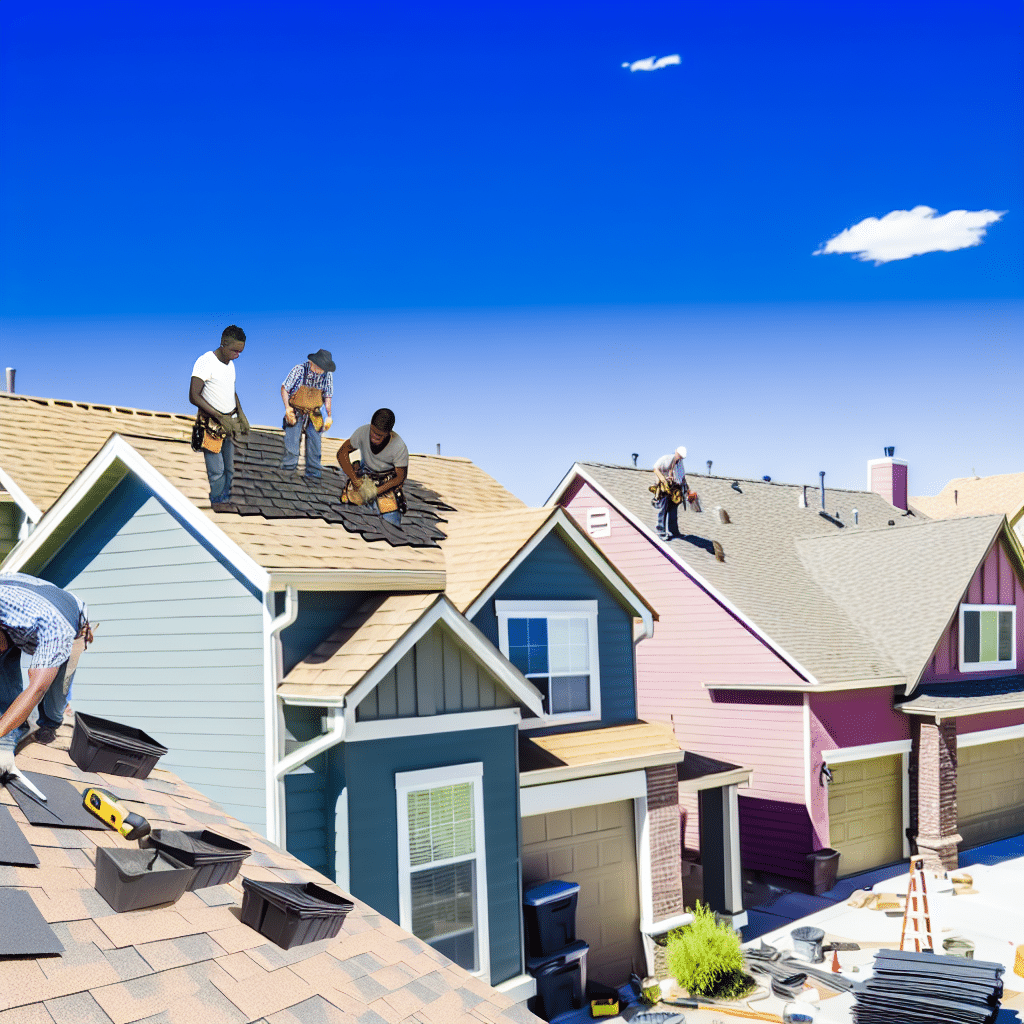
Selecting the right team of experts is paramount in historical roofing projects. Professionals serve not just as laborers but as custodians of history, with each shingle laid and nail driven a stroke in the portrait of the past. The right roofing contractor understands this and works diligently to ensure the historical integrity is maintained at every turn. Canyon County has skilled artisans who specialize in this type of preservation work, combining passionate craftsmanship with extensive knowledge. Such dedication ensures that each historical building roofing rehabilitation is both a testament to the original architect’s vision and a continuation of their legacy.
Preserving the Past for Future Generations
In conclusion, the stewardship of our historical buildings, especially their roofing systems, is an investment in both our past and our future. Such work is an homage to the architects, craftsmanships, and communities that built them. However, this can’t be achieved without a communal commitment to preservation and the utilization of experts in the field of roofing rehabilitation. For those seeking such experts in Canyon County, turning to established and respected firms such as Smart Roofing & Remodeling can ensure that your historical structure receives the attention to detail it deserves. It’s a responsibility we all share, to protect these architectural treasures so that they may inspire and educate generations to come.
Insights From The Experts
Tip 1:
When undertaking a historical building roofing project, research and use materials that match the original as closely as possible. Not only does this maintain the aesthetic continuity, but it also ensures the building’s historical value and integrity remain intact.
Tip 2:
Always consult with a roofing specialist who has experience with historical preservation. These professionals bring a wealth of knowledge on maintaining the delicate balance between modern efficiency and historical authenticity.
Tip 3:
It’s important to understand local preservation guidelines before beginning any rehabilitation project. Familiarize yourself with Canyon County’s regulations to ensure your roofing project is compliant and preserves the building’s eligibility for historical status.
Tip 4:
Consider the climate and environment of Canyon County when selecting materials for your roof rehabilitation. The right choices will protect against local weather conditions while also respecting the building’s historical character.
Tip 5:
Ensure proper documentation before and after the rehabilitation process. Keeping a detailed record, including photographs and material samples, can be invaluable for future repairs, preserving historical data, and potentially receiving grants or tax incentives.
Your Historical Roofing Questions Answered
Can modern materials be used for roofing rehabilitation on historic buildings?
Modern materials can be utilized if they preserve the historical look and meet preservation guidelines. Careful selection ensures durability without compromising authenticity.
How do I find the right contractor for my historic roof restoration?
Look for contractors like Smart Roofing & Remodeling with demonstrated experience in historical building projects and a portfolio that showcases their commitment to preserving the integrity of vintage structures.
Are there specific legal requirements for roofing rehabilitation on historic buildings?
Yes, historic buildings are often subject to local, state, and sometimes federal preservation laws that dictate the methods and materials used for roofing rehabilitation.
What is the importance of using original roofing materials on historical buildings?
Using original materials maintains the historical accuracy and value of the structure, ensuring it remains an authentic piece of the community’s history.
How can I ensure my roofing project doesn’t damage the historical aspects of the building?
Hiring expert roofers who specialize in historical buildings is crucial, as they understand how to work carefully to preserve the building’s integrity during restoration.