The Specifics of High-Altitude Roofing in Custer County
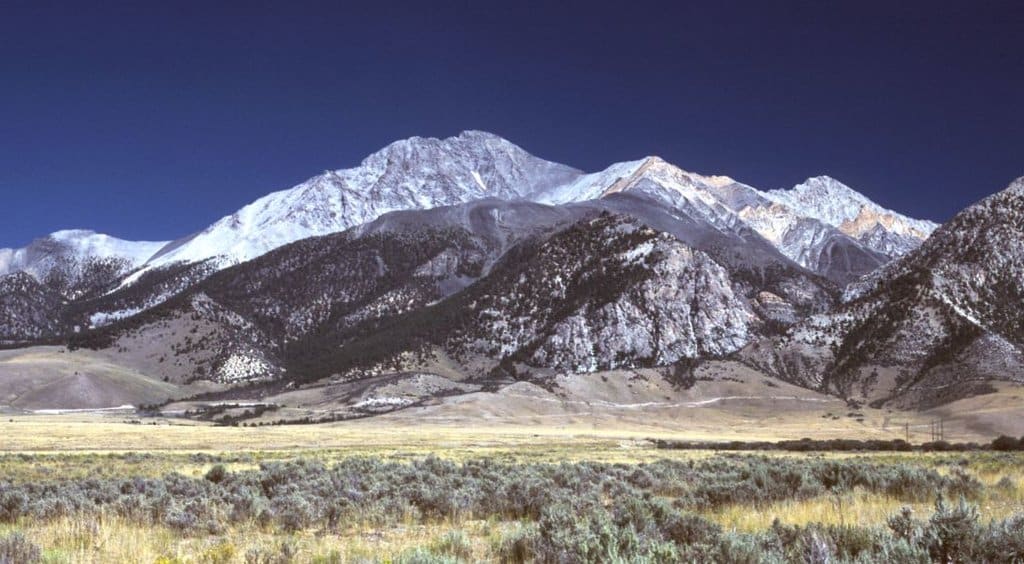
The terrain of Custer County doesn’t only influence the lifestyle of its dwellers but also dictates a set of roofing requirements that are specific to the area. The roofing solutions that secure homes in lower altitudes may falter under the compounded pressures of wind and UV exposure found at higher elevations. It’s not just about selecting materials that are visually appealing or cost-effective; it’s about making choices that are informed by the local atmospheric conditions. High-altitude homes demand materials that can counteract the increased levels of ultraviolet radiation that can accelerate the deterioration process. In this regard, homeowners must veer towards products and methodologies that are not only durable but also provide suitable resistance to these unique environmental stressors.
Choosing Expertise Over Experimentation
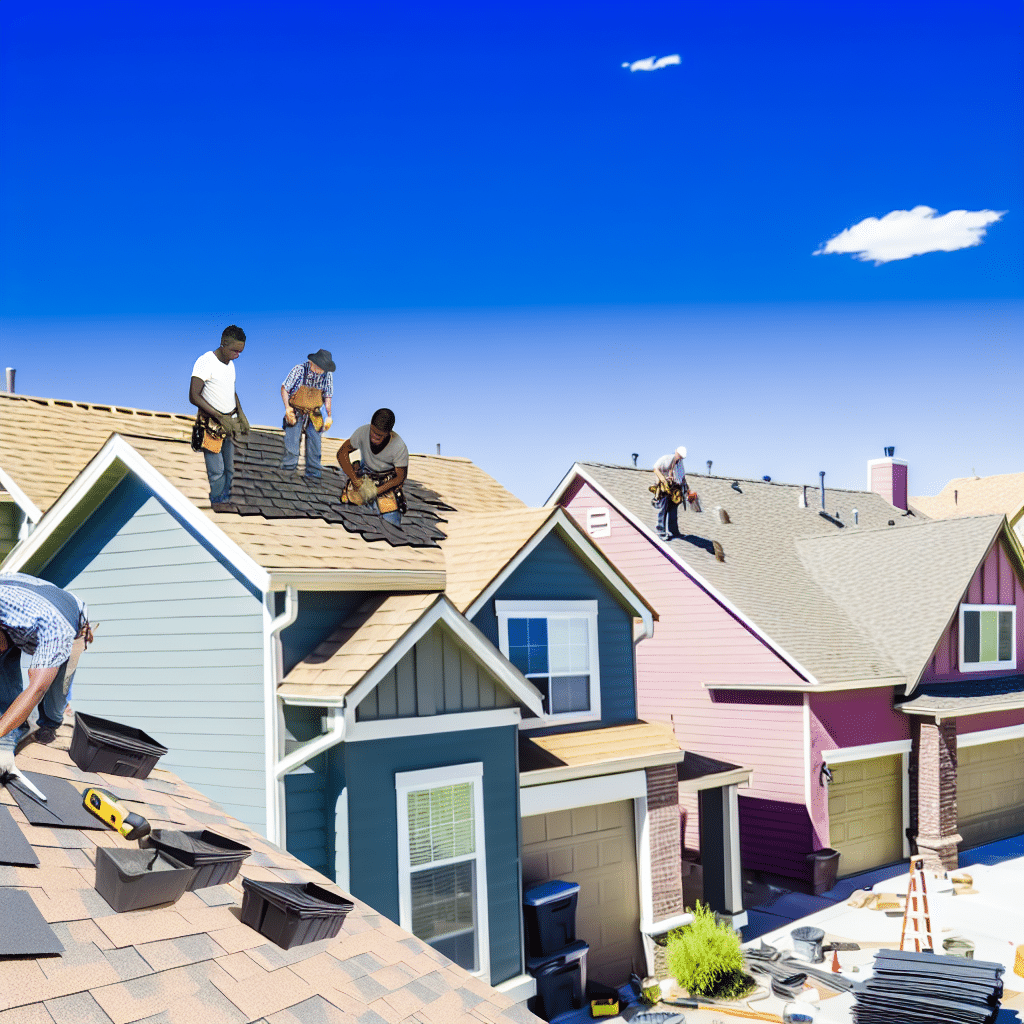
When it comes to installation, the stakes are heightened by the very air we breathe atop these majestic environments. The rarified atmosphere not only tests the endurance of materials but also challenges the skills of those responsible for the installation. This is where the importance of working with local experts comes into play. Smart Roofing & Remodeling prides itself on its team of professionals who are not just well-versed in general roofing practices but specialized in the nuances of high-altitude roofing installations and repairs. These individuals bring invaluable local knowledge and experience to each project, ensuring that your roof is not just built to last but also designed to adapt to the changing conditions it will inevitably face.

Proactive Measures for Optimized Roofing
Beyond selecting the right materials and securing expert installation, the longevity of your high-altitude roof hinges on forward-thinking maintenance. Regular inspections become not just a recommendation but a necessity, as they help homeowners stay ahead of potential issues. Catching small problems early can mean the difference between a simple repair and a full-scale replacement—a difference that is as practical in terms of cost as it is crucial in terms of structural integrity. Homeowners should also consider the impact of seasonality and prepare for the increased snow load and ice dams common to Custer County winters. These proactive steps, coupled with expert guidance, form the foundation of a robust high-altitude roofing strategy—one that acknowledges and addresses the demands of the environment with precision and foresight.
Establishing Long-Term Roofing Security
The synergy between expertly chosen materials and seasoned installation prowess must extend to the rigorous maintenance of your roofing system. In an environment where the elements are relentless, a roof that is checked and serviced regularly remains resilient. Dedicating attention to routine inspections and immediate repairs not only preserves the aesthetic of your home but also bolsters its defense against the weather patterns particular to Custer County’s high altitudes. Homeowners who prioritize this duty often find themselves at an advantage, preventing the escalation of minor wear into major roofing catastrophes. It’s about fostering a proactive mindset, turning routine checks into an integral part of your home’s health routine.

High-Altitude Roofing Mastery
Tip 1:
Choose materials wisely for your mountain home. Specialized high-altitude roofing materials are designed to withstand the unique conditions, such as enhanced UV radiation and rapid temperature changes, ensuring a longer lifespan and better performance.
Tip 2:
Invest in professional installation. High-altitude environments can pose installation challenges that require experienced roofing experts familiar with the terrain and climate specifics of Custer County to ensure the roof’s integrity.
Tip 3:
Prioritize regular roof inspections. Fluctuating environmental conditions at high elevations can expedite wear and tear; therefore, regular professional inspections are vital to identify and address any potential roofing issues early on.
Tip 4:
Apply appropriate sealants and protective coatings. Adequate sealing can protect against frequent wind uplifts, while UV-resistant coatings can shield the roof from intense sunlight exposure known to the high-altitude areas.
Tip 5:
Consider the impact of snow and ice. Homes in Custer County may experience heavy snowfall, so ensuring your roof has an appropriate slope and features like snow guards can prevent damage and maintain the safety of your property.
Your High-Altitude Roofing Queries Answered
How does high elevation impact the materials I should choose for my roofing?
At high elevations, materials need to withstand more UV radiation and potentially stronger winds. Therefore, selecting UV-resistant roofing materials with higher wind ratings is crucial to ensure durability.
What specific roofing challenges does Custer County present?
Custer County’s combination of high altitude and regional climate results in unique challenges such as increased UV exposure, heavier snow loads, and variable temperatures that can affect roofing integrity over time.
Are there particular roofing solutions recommended for homes in mountainous Custer County?
Yes, mountainous homes benefit from choosing materials designed for low temperatures and heavy snowfall, such as standing seam metal roofs or specially treated asphalt shingles with higher impact ratings.
How can I protect my roof from intense UV radiation in high-altitude areas?
UV-resistant coatings and selecting materials with inherent UV protection will help protect your roof from the intense rays experienced at higher altitudes.
What maintenance tips can help with roof longevity in high-altitude conditions?
Regular inspections and addressing minor repairs quickly are key to preventing larger issues, along with ensuring proper insulation and ventilation to cope with temperature extremes often seen at high altitudes.
Visit us through our social media page for up to date news and new projects we’re working on.