Don’t Wait: The Critical Nature of Roof Flashing Repair
The smallest crack or gap in your roof flashing might not catch your eye, but it should – it’s a ticking time bomb. The repercussions of damaged flashing go beyond mere aesthetics, potentially causing severe structural damage to your home. This isn’t just about avoiding water stains on your ceilings; it’s about preventing the possibility of a compromised foundation and the nightmare of expensive repairs. Immediate action is crucial: The longer you wait, the more you risk escalating repair costs and the safety of your living space. Homeowners in Blaine County, heed this urgent call — as winter approaches, even minor flashing issues can transform into major concerns.
Why is the winter season in Blaine County a flashing repair red flag? One word: snow. This region, already prone to heavy snowfall, creates the perfect storm for damaged flashing to wreak havoc on your home. Water from melted snow can find its way through the smallest imperfections, freezing and expanding to exacerbate the damage. Coupled with the region’s freezing temperatures, which can cause materials to contract and warp, the risk of leaks and water damage soars. Now, more than ever, it’s imperative to fortify your home against the elements — starting with your roof.
Let’s face it, a well-maintained roof is your first line of defense against the ravages of weather, especially in the winter. The last thing any homeowner wants is a breach in their fortress, which can quickly escalate to an emergency situation. Acknowledge the warning signs: shingles that appear out of place or flashing that seems distorted. These could signify impending trouble that’s best dealt with promptly. Take charge by scheduling a professional inspection, ensuring that your roof is in peak condition to face the challenges of the colder months.
Understanding the Vital Role of Roof Flashing
Roof flashing may not be a home feature that draws headlines, but its role cannot be overstated. Often composed of aluminum or copper, flashing forms a water-resistant barrier at the most vulnerable areas of your roof. It’s the unsung hero, quietly doing its critical job at the seams where roofing materials meet protrusions and valleys. When this barrier fails, the consequences can be immediate and destructive — inviting water into your home with every rainstorm or snowmelt. Hence, recognizing the signs of wear or damage early is vital for the longevity of your roof.
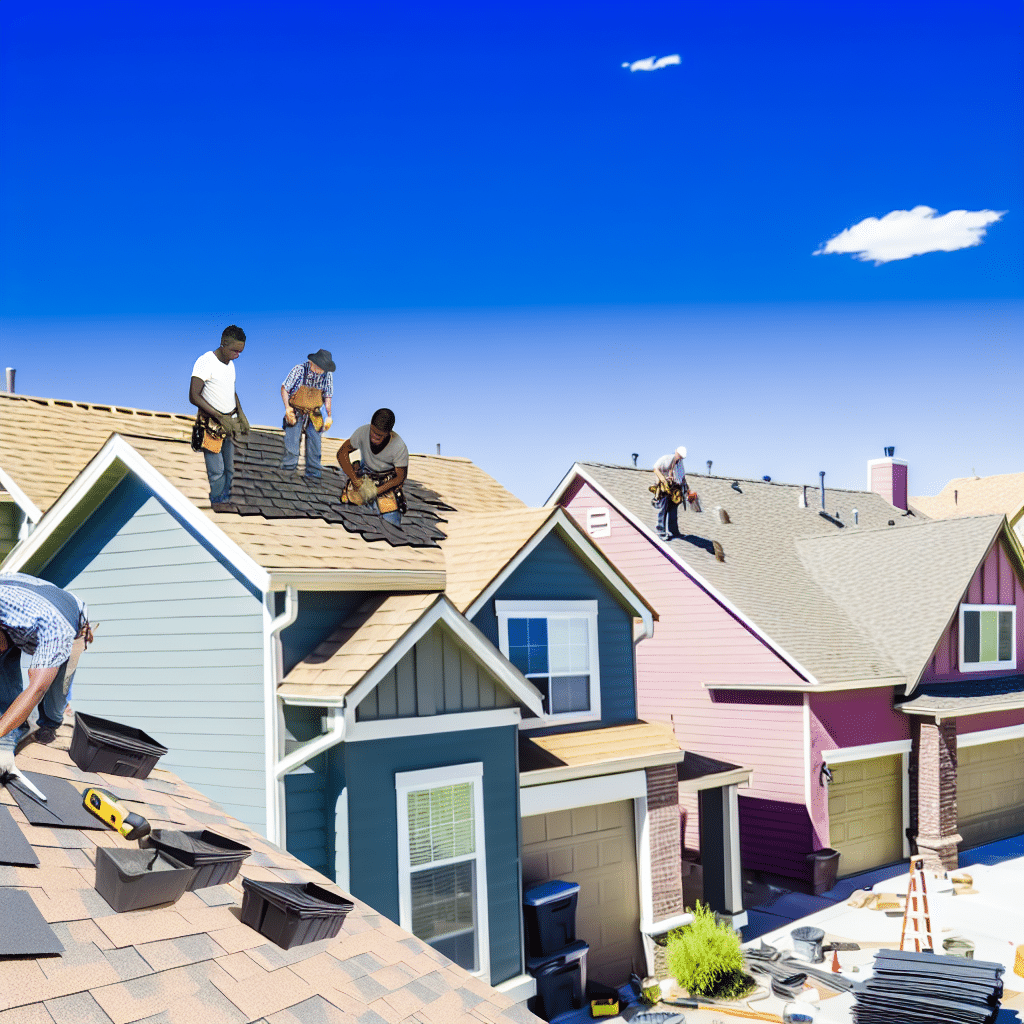
Smart homeowners recognize the importance of expertise when it comes to maintaining their roofs. Professional inspection and analysis ensure that flashing is correctly installed and maintained, safeguarding your household for years to come. The right approach involves ensuring the seals around the flashing are intact; even the smallest breach can lead to leaks. Moreover, seasoned roof specialists Smart Roofing & Remodeling will advise that certain roofs might need more frequent checks due to their exposure to harsher environments. After all, ensuring your flashing is in prime condition should be a top priority for home maintenance.
It’s essential to discuss the notion of tackling flashing repairs yourself versus seeking professional help. For many, the temptation to DIY is strong, and while some home repairs are suitable for a hands-on approach, flashing repair is not one of them. The know-how required to identify and fix flashing issues is extensive, and it often involves handling materials that demand a specialized touch — a job for those who are thoroughly trained. Choosing to work with experts brings peace of mind, not just a patch-up job. In an ideal world, every roof repair would be preemptive, but in reality, it’s the rapid response to the first signs of trouble that makes all the difference.
The Wise Approach to Roofing Readiness
As we consider the importance of roof maintenance, one factor stands out: the unparalleled value of regular, professional inspections. These assessments are not merely routine check-ups; they are preemptive actions that save thousands in potential repair costs. A thorough inspection extends beyond just a look-see; it’s a diagnostic procedure to identify and rectify any vulnerabilities in your home’s armor. By catching issues with flashing early on, you avoid the domino effect of damage that can escalate during the harsh winter months. It’s all about taking charge of your home’s condition, leveraging seasonal timing to your advantage.
Addressing the everyday concerns of homeowners, many wonder about the feasibility and safety of climbing their roofs for a DIY inspection. While it’s commendable to take initiative, the risks involved with scaling your rooftop can be significant, and the potential for misdiagnosis is high. This is why entrusting such tasks to professionals is not just a matter of convenience, it’s a choice for ensuring precision and safety. These specialists have the equipment and expertise to spot signs of wear and seal vulnerabilities — an advantage no amount of online tutorials can match. So, when it comes to your family’s safety and your home’s integrity, opting for expert roof repair is the only reliable path.
In the end, a well-maintained roof reflects the wisdom and foresight of a diligent homeowner. It’s a statement of care and a commitment to the longevity of one’s investment in their home. When the wind howls and the snow falls, the true test of your roof’s mettle is met, and with the right care, it will pass with flying colors. Take that pivotal step today towards safeguarding your property; visit Smart Roofing & Remodeling for a comprehensive evaluation. Your home deserves the best defense against nature’s elements — and it starts with solid, intact flashing.
Smart Strategies for Roof Preservation
Tip 1:
Regularly check your roof for any signs of damage, particularly around chimneys, vents, and skylights where flashing is most commonly used. Small issues can escalate quickly, so early detection is key to minimizing repair costs.
Tip 2:
Understand the materials used for your flashing and their lifespan. Aluminum and copper are popular options due to their durability, but even these can fail if not properly installed or maintained.
Tip 3:
If you find a leak, address it immediately. Delaying the repair of damaged flashing not only compromises your home’s structure but can also lead to mold and interior water damage.
Tip 4:
When having your roof inspected, make sure the professional checks the sealing around the flashing. Sealant can deteriorate over time, which might lead to leaks even if the flashing itself is undamaged.
Tip 5:
Consider the climate and environmental factors when assessing your roof’s condition. In areas with heavy snowfall or high winds, flashing can be more prone to damage and may require more frequent inspections and maintenance.
Your Flashing Repair Questions Answered
What are the signs that my roof flashing is damaged?
When you see water stains on walls or ceilings, dislodged shingles near roof joints, or any cracks and breaks in the flashing material, it’s time for closer inspection.
How often should roof flashing be inspected to prevent leaks?
Flashings should be inspected at least once a year, but in regions with extreme weather, inspections should be more frequent to catch potential issues before they escalate.
What is the typical cost range for repairing or replacing damaged flashing?
Repair costs can vary widely, from $200 to $500 on average, depending on the extent of the damage and accessibility of the roof.
Can I repair roof flashing myself, or should I hire a professional?
While minor repairs might seem manageable, professional expertise is often essential to ensure a lasting and correct fix, especially on complex roofing systems.
How quickly should I act if I suspect my roof flashing is compromised?
Immediate action is recommended as even small leaks can quickly lead to bigger, more costly problems if flashing damage is not addressed promptly.