Choosing the Right Roof Color: A Vital Decision for Your Home
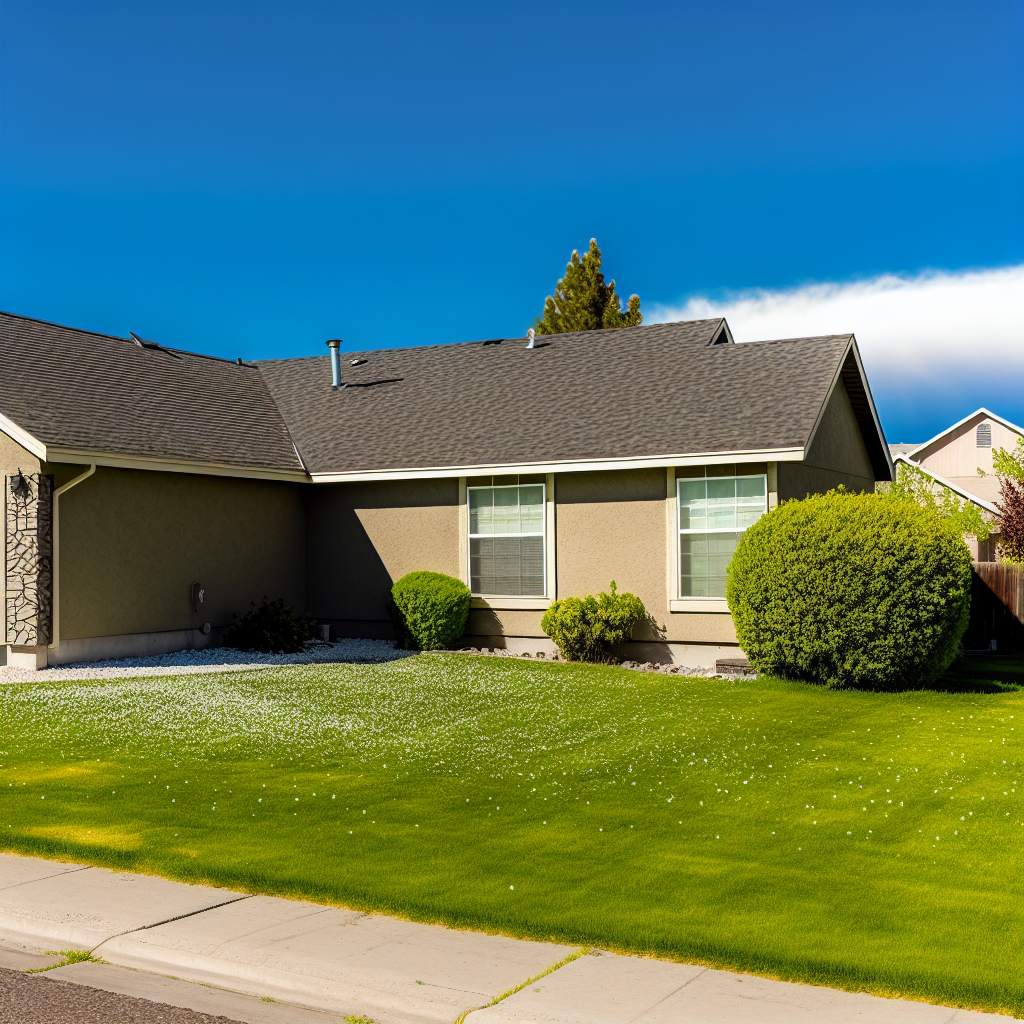
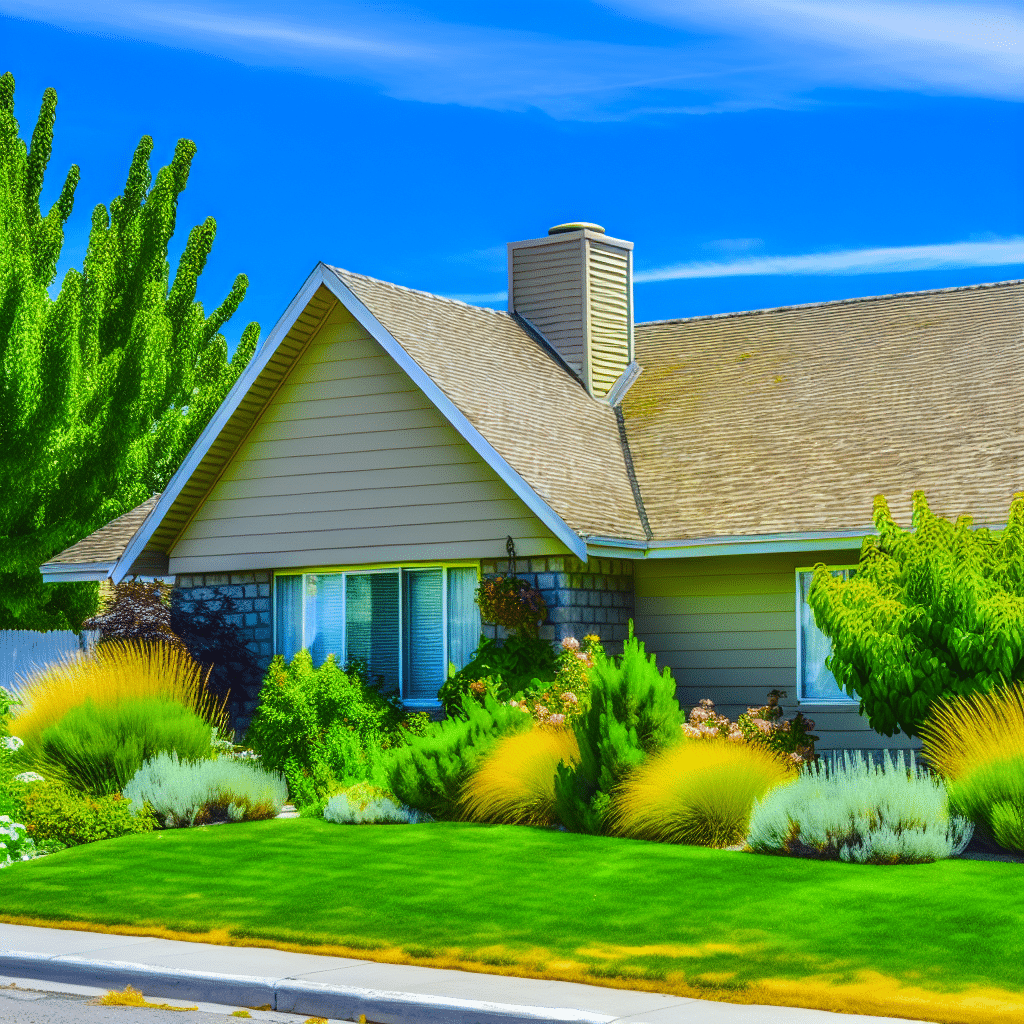
Your home’s curb appeal is the first impression it makes on the world, and choosing the best roof color for a tan house is a critical piece of that visual impact. Not only does it contribute to the overall aesthetic, but it also plays a significant role in the perceived value and charm of your property. In the picturesque town of Homedale, ID, the serene backdrop of springtime sets a unique canvas for your home. As the natural hues revive the landscape, the right roof shade can complement or enhance this seasonal beauty. It’s about striking a balance between blending with nature’s palette and standing out in the neighborhood’s architectural tapestry.
This choice transcends beyond just color preferences—it’s an investment into your home’s functionality and resilience. Light or dark? Reflective or absorbing? Making an informed decision requires considering the climate and how your roof color will interact with it. Homedale’s spring, while mild, can vary in temperature, leading to the importance of understanding how different shades can affect your home’s internal climate and, subsequently, your energy costs. Selecting a hue that harmonizes with your home’s style while offering temperature control is not just smart—it’s cost-effective in the long run.
As we unpack the nuances of this pivotal decision, it’s essential to address common concerns homeowners may have. Is a darker roof the answer to colder seasons, or will it be a liability come summer? Does a light roof mean constant cleaning to maintain its aesthetic? These are valid questions that underscore the complexity of choosing your ideal roof color. In the forthcoming sections, we delve deeper into the relationship between color, materials, and energy efficiency, equipping you with everything you need to make an empowered and informed choice for your tan abode.
Material Matters: Maximizing Function and Style
When it comes to roofing materials, not all are created equal—especially when making a decision that complements your tan house. The right materials can offer not just a pleasing aesthetic but also a boost to your home’s insulation and durability. In regions like Homedale, where the weather can be unpredictable, selecting a material that can handle the thermal expansion and contraction is crucial. This means assessing options such as metal, which not only offers a modern look but can also withstand extreme weather fluctuations while reflecting UV rays. It’s a choice that marries longevity with energy efficiency, a return on investment that continues to pay dividends over time.
Darker roofs have garnered popularity for their ability to absorb heat—ideal for homeowners in cooler climates seeking a natural source of warmth. However, the increased heat can accelerate the aging process of roofing materials, requiring more frequent maintenance and potential replacement. On the other hand, lighter colors like cool beige or soft peach can significantly reduce air conditioning demands by reflecting sunlight, making them a wiser choice as the Idaho spring blossoms into the warmer months. This strategic choice in color and material can result in higher energy savings and a more comfortable living environment.
But what does this mean for your tan house specifically? It’s about finding that sweet spot—a color that complements the earthy tones of your home while functioning optimally within your local climate. A harmonizing roof color enhances the natural brickwork, wood siding, or stucco, ensuring your home looks exquisite from every angle. For homeowners in Homedale seeking a professional touch, trust in the expertise at Smart Roofing & Remodeling can guide you through the selection process with an eye for both function and design. Together, we can make your home stand out for all the right reasons.
Final Considerations for Your Tan House Roofing
The conversation around the best roof color for a tan house isn’t solely about immediate curb appeal; it’s also an investment in the longevity and sustainability of your home. A well-chosen roof color can have a lasting effect, not just in terms of style but also in functionality and home comfort. Darker colors might be tempting for their classic look, but it’s important to weigh this against their potential to absorb more heat, possibly increasing your cooling costs during those delightful yet warmer Idaho springs. As you round out this decision, remember that a color that appears timeless and versatile will serve you well, irrespective of seasonal trends or personal preferences.
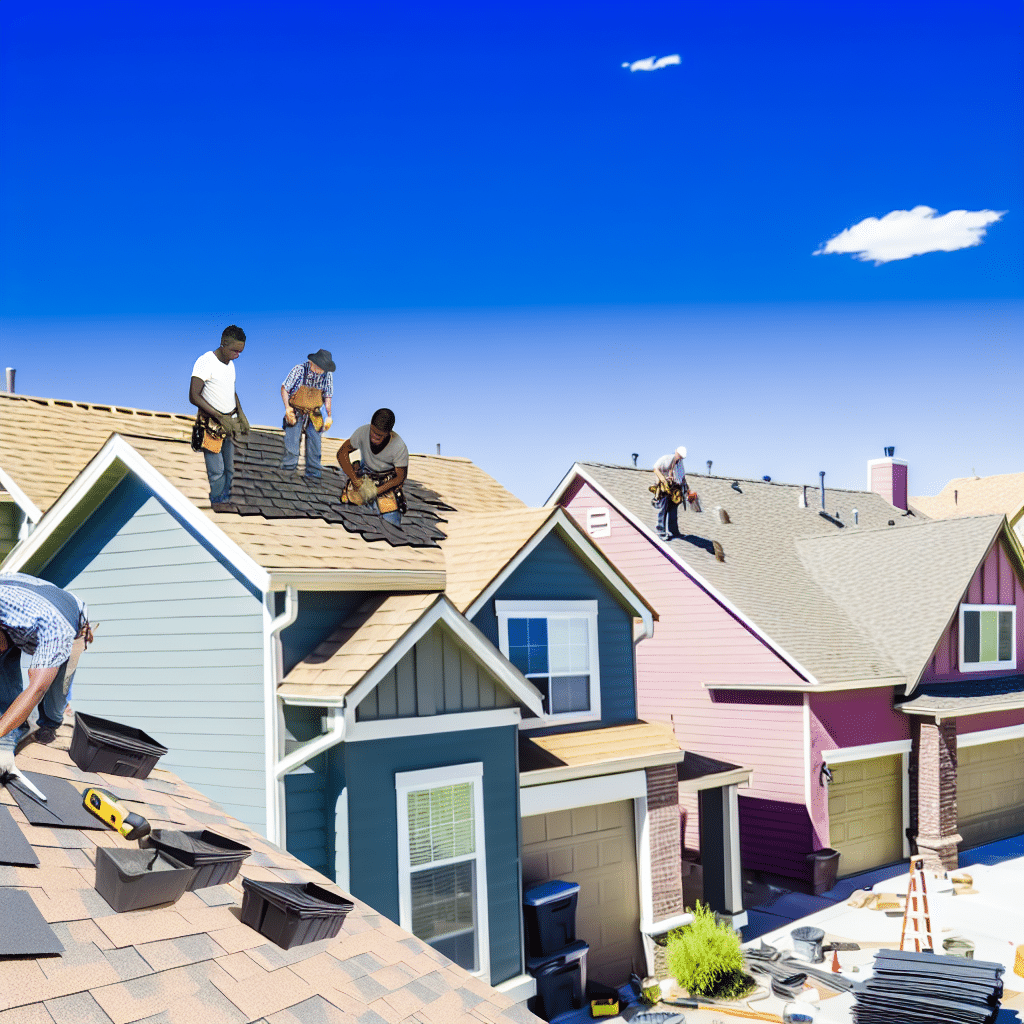
It’s also valuable to look beyond color and consider the integrity and reputation of your chosen roofing service provider. After all, the best materials are only as good as their installation. For residents of Homedale, ID seeking excellence and craftsmanship, the experts at Smart Roofing & Remodeling bring trustworthiness and a wealth of experience to the table. Their keen understanding of local climate patterns and architectural styles means you’re not just choosing a color—you’re choosing peace of mind and a roof that fits your home perfectly.
To wrap up, your roof color choice is a significant statement—it represents your style and serves as a canopy of protection for your family. With the many shades available, selecting the right one can feel daunting. But ponder no more; with the insights shared and the assistance of seasoned professionals, your Homedale home will don the perfect hue. Step into the season knowing that your chosen color not only looks great but also adds value in protection, efficiency, and appeal. And remember, when it comes time to put this knowledge into action, Smart Roofing & Remodeling is here to ensure your roofing project is handled with the utmost expertise and care.
Expert Roof Color Selection Guide
Tip 1:
Consider the climate when choosing your roof color. Lighter colors reflect more sunlight, keeping your home cooler in warmer climates, while darker colors retain heat, beneficial in colder seasons.
Tip 2:
Match the roof color with your home’s architectural style. Traditional houses often benefit from natural shades, whereas modern homes can experiment with bold colors to make a statement.
Tip 3:
Factor in the longevity and maintenance of different roofing materials. Some materials, like metal roofing, offer a variety of color choices with minimal upkeep and longer service life.
Tip 4:
Understand the role of energy efficiency in your roofing decision. Energy-efficient materials combined with the right color can significantly reduce your heating and cooling costs.
Tip 5:
Explore the visual impact of your choice on curb appeal. The right roof color can enhance the overall look of your home, increase its market value, and attract potential buyers if you are considering selling.
Your Roofing Questions Answered
How does roof color affect a home’s temperature and energy efficiency?
The color of your roof can significantly impact your home’s energy efficiency; lighter colors reflect sunlight, reducing heat absorption and keeping your home cooler, while darker colors absorb heat and can increase your home’s temperature.
What are the latest trends in roof color and materials for enhancing curb appeal?
Trends in roofing are leaning towards eco-friendly materials like cool-metal roofing and colors that blend with natural surroundings, offering energy savings while maintaining an aesthetically pleasing design.
How do you choose the right roofing materials for your specific home style and climate?
Choosing the right roofing materials involves considering your home’s architectural style and the local climate—durable materials like slate and tile are best for longevity, while metal and asphalt shingles offer a balance of durability and cost-effectiveness.
What maintenance considerations should be taken into account when selecting a roof color?
Select a roof color that will require minimal maintenance; lighter colors may show dirt more easily, while darker colors require more cooling resources in hot climates.
Can the color of your roof impact its lifespan or durability?
Yes, the color of your roof can affect its lifespan; lighter colors are prone to less thermal expansion and contraction, leading to fewer stress cycles on the material, hence potentially longer durability.